February Is American Heart Month ❤️

At Bird Physical Therapy, we believe heart health is about more than just numbers on a chart—it’s about keeping you moving, independent, and doing the things you love. February is American Heart Month, a time to raise awareness about cardiovascular health and highlight simple, sustainable ways to care for your heart.

Heart disease remains one of the leading health concerns in the United States, but the good news is that small, consistent lifestyle choices can make a meaningful difference. Movement, strength, balance, and education all play an important role in supporting a healthy heart—and that’s where physical therapy can help.

Why Heart Health Matters

Your heart works hard for you every single day. It supplies oxygen and nutrients to your muscles, brain, and organs so you can walk, work, play, and rest. When heart health is compromised, it can impact endurance, balance, strength, and overall quality of life.

Many people associate heart health only with intense exercise or gym workouts, but heart-healthy movement looks different for everyone—especially if you’re managing chronic conditions, recovering from surgery, or returning to activity after a cardiac event.

How Physical Therapy Supports Heart Health

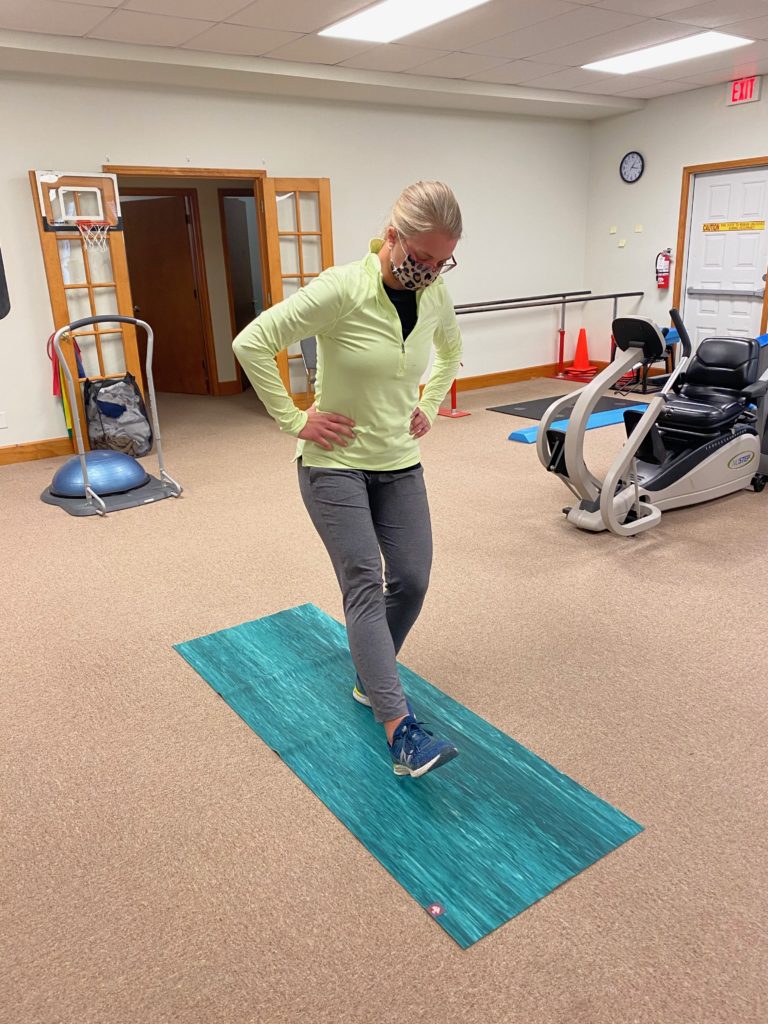
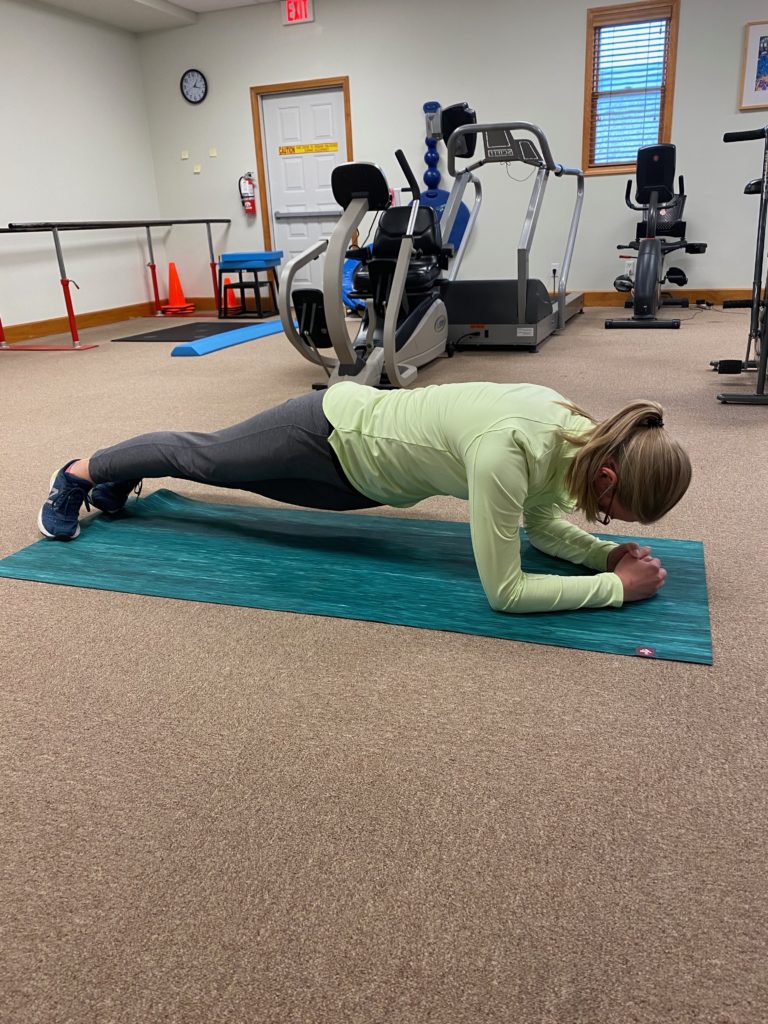
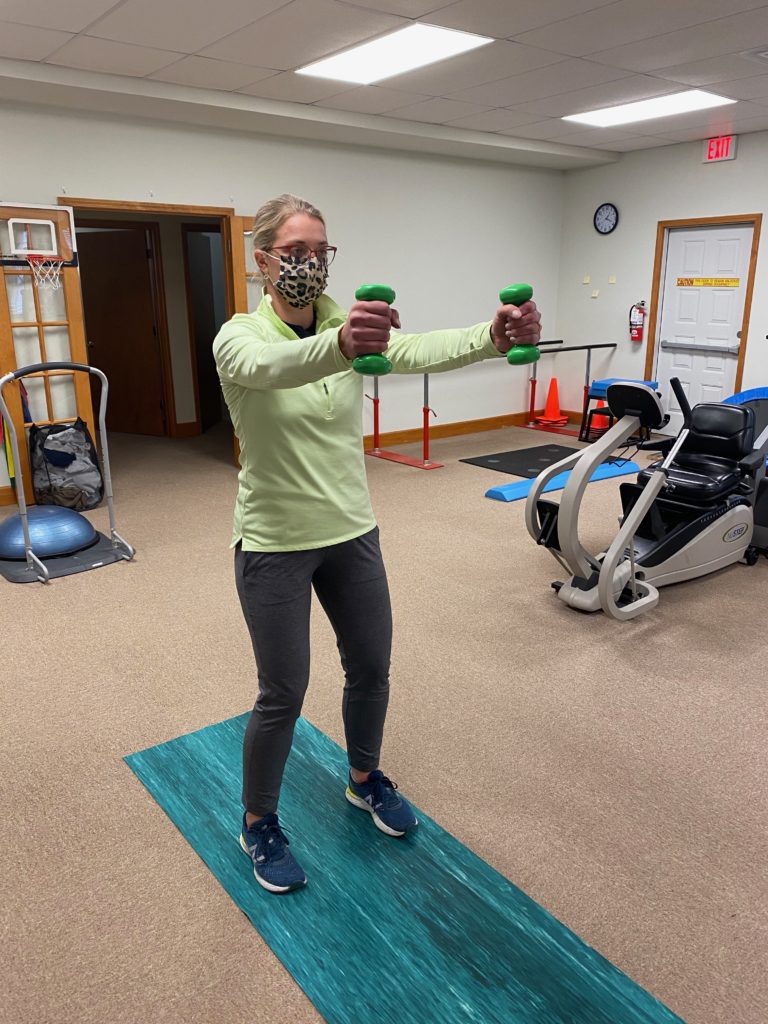
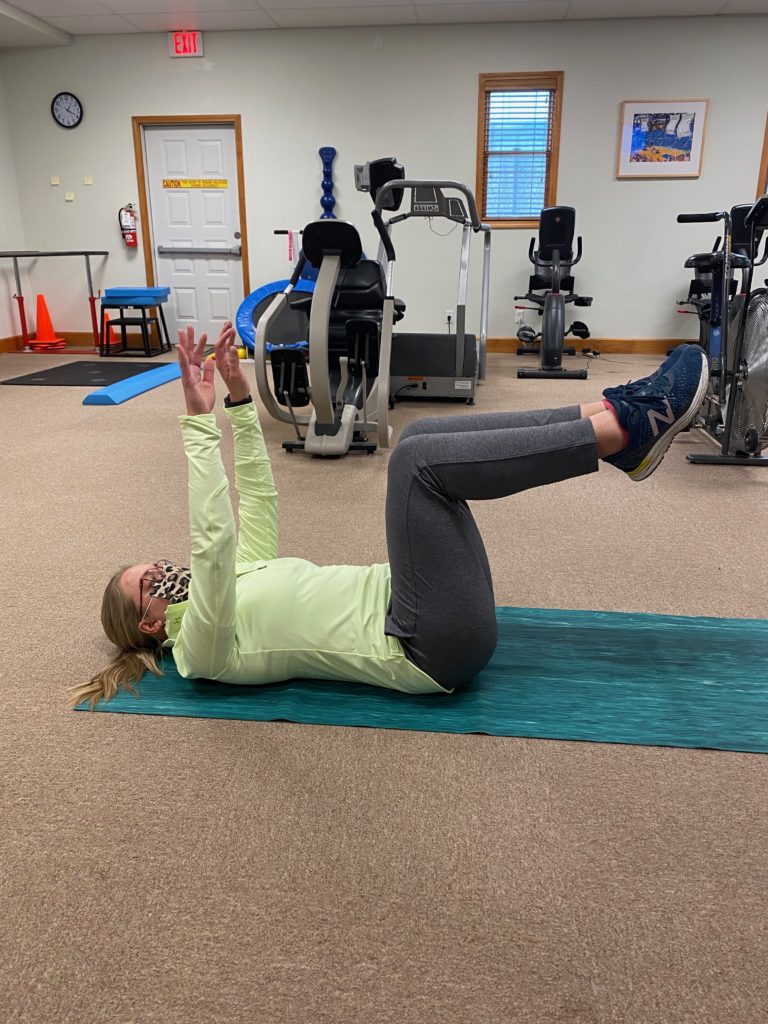
Physical therapy plays a valuable role in cardiovascular wellness at every stage of life. Our therapists focus on safe, individualized movement that supports both your heart and your overall function.

Physical therapy can help:

  • Improve cardiovascular endurance through guided, appropriate activity
  • Increase strength and mobility to make daily tasks easier
  • Enhance balance and reduce fall risk
  • Build confidence with movement after illness, injury, or surgery
  • Establish sustainable exercise habits that fit your lifestyle

Whether you’re easing back into activity or looking to move more efficiently, working with a physical therapist ensures your plan is safe, effective, and tailored to you.

Heart-Healthy Movement Doesn’t Have to Be Complicated

You don’t need extreme workouts to support your heart. In fact, consistency matters more than intensity. Some heart-friendly movement ideas include:

  • Walking regularly at a comfortable pace
  • Strength training with proper form and guidance
  • Stretching and mobility work to support circulation
  • Balance exercises to improve safety and confidence
  • Taking movement breaks throughout the day

If pain, dizziness, fatigue, or fear of injury are holding you back, physical therapy can help you find what movement works best for your body.

A Heart-Healthy Reminder for February

American Heart Month is a great opportunity to check in with yourself:

  • Are you moving in ways that feel good and sustainable?
  • Do you feel confident and steady during daily activities?
  • Are aches, balance issues, or low endurance limiting your activity?

If you are unsure, then physical therapy may be a helpful next step.

How Bird Physical Therapy Can Help

At Bird Physical Therapy, our goal is to help you move safely, confidently, and comfortably—supporting not just your heart, but your whole body. We meet you where you are and work together to build strength, endurance, and confidence through personalized care.

This February, let American Heart Month be a reminder that taking care of your heart starts with taking care of your movement.

If you have questions or would like to learn how physical therapy can support your heart health, we’d love to hear from you.

💙 Here’s to moving well, feeling strong, and caring for your heart—this month and beyond.

How to Keep Your New Year’s Resolution

Happy New Year! Is 2026 going to be your year? Are you planning on being the best possible version of you? Of course you are! A whopping 80% of Americans set a New Year’s Resolution… and a whopping 6% keep these resolutions long-term.

The new year brings new motivation and can be a great time to set new goals. However, you may be thinking “what’s the point?” if most of those goals or resolutions are abandoned by the end of January. I’m here to tell you that you can put an end to that cycle! Here are 5 tips to help you keep your resolutions and reach your goals:

Utilize SMART Goals

What are SMART Goals? It is a framework for goal setting that assists you in turning vague aspirations into clear objectives. SMART is an acronym that stands for Specific, Measurable, Attainable, Relevant, and Time-bound. This type of goal significantly increases the likelihood of success.

Set the Bar Low

A lot of people fail to keep their New Year’s Resolution because the outcomes fail to meet their expectations. With goals like “save money for a house” or “lose 30 pounds”, the outcome can take months or years to achieve. If you set small goals (i.e., lower the bar), you can meet your goals quicker and keep your motivation high.

For example, instead of having a goal to “lose 30 pounds”, try starting with smaller goals like:

    • Eat 2 fruits and 2 vegetables each day.
    • Walk 5,000 steps a day.
    • Do not drink soda more than twice a week.

Create a Detailed Plan

It is believed that because New Year’s Resolution are what people “want” that they will have the will power to abide by these resolutions. However, research (and possibly experience) tells us that isn’t always the case. It is much easier to follow a plan with steps to achieve along the way. Create a possible timeline to keep track of your progress. This will help keep you motivated to achieve the main goal you set for yourself.

For example, if your New Year’s Resolution is to “run a 5K”, where do you start? Do you just go out and start running 3 miles? Absolutely not! Here is an example of a possible plan to “run a 5K”:

Change Takes Time

Did you know that simple habits (i.e., eating fruit with meals or drinking an extra cup of water a day) can require between 30-60 repetitions to become automatic? Complex habits (i.e., exercising for 30 minutes) can require at least 100 repetitions to become automatic. What does that mean for your New Year’s Resolution? That means that you’ll be thinking and actively trying to implement those goals for at least 3-4 months into the year.

Progress, Not Perfection

No one can be perfect at their resolutions no matter how hard you try. So, be kind to yourself and kick that “all-or-nothing” mindset to the curb. Since we know we can’t be perfect, it’s a good idea to have a plan for bad days or slip ups. Something is ALWAYS better than nothing. For example, if you’re sick and don’t have the energy to attend your cycling class, try performing 10 minutes of light stretching at home instead.

With these 5 tricks up your sleeve, you’ll be sure to stick to your resolutions and reach your goals. Let’s make 2026 the happiest and healthiest year yet! Happy New Year!

Healthy Habits for a Happy Holiday

First and foremost, happy holidays from us at Bird Physical Therapy! We’ve made it to one of the busiest times of year. Whether that means placing the Mkeka, lighting the Menorah, or baking sugar cookies, Bird Physical Therapy wants to give you tips for ensuring you have the healthiest holiday season.

‘Tis the Season to be Healthy, Fa La La La La

There is nothing worse than being sick during the holiday season. No one wants to be congested while trying to sing carols. Luckily, there are many practices you can implement to reduce your risk of getting sick this season:

  • Wash your hands frequently
  • Avoid touching your face
  • Drink plenty of water
  • Disinfect commonly touched surfaces (i.e., cell phones, doorknobs)
  • Practice safe food preparation steps
  • If you are sick, please consider staying home from celebrations

Sleigh Your Plate

One commonality between all cultures and holidays is the cooking and baking of the holiday foods and treats. And most likely… those foods and treats aren’t the healthiest of options. However, we wouldn’t want you to miss those fun (and yummy) dishes. So, what do you do?

First, make sure you eat healthily at home; focus on getting enough protein, fiber, fruits and vegetables. Second, if you bring a dish to a holiday party, bring a healthy dish to share alongside the usual dish you always bring. Finally, pay attention to portion sizes. Try to cut smaller pieces of pies or cakes, take the smallest latke, or serve a half spoon full of Jollof rice.

Defrost Your Joints with Regular Exercise

Just like every other time of year, the American College of Sports Medicine (ACSM) still recommends getting a minimum of 30 minutes of moderate aerobic intensity exercise on at least 5 days of the week and strength train 2 days per week. Of course, all the traditional ways of exercising are still available (yoga, jogging, weightlifting, etc.), but here are some ideas to sprinkle in more physical activity during these busy times:

  • Take a parking spot at the back of the lot
  • Walk a couple laps around the stores
  • Utilize the stairs whenever possible
  • Do squats or wall pushups while goodies are baking
  • Make up dances to perform while signing carols

Tree-t Yourself to Rest

Lots of people love to cram in a bunch of extra activities on top of their usual schedules this time of year. One thing to think about adding to the calendar is rest breaks. These rests do not necessarily mean napping (although you could). Rest breaks could mean quiet time at your house between parties or scheduling a massage after decorating your house. Lastly, the recommendation for sleep still stands: 7-9 hours per night. Try to make sleep a priority… or else Santa might not have time to visit!

Snow More Slips

Over 14 million older adults fall every year. Falls can lead to bumps and bruises, broken bones, or worse. And unfortunately, that gorgeous wintery snow doesn’t help either. Here are some tips and tricks to reduce your risk of falling:

  • Plan extra time for travel
  • Wear snow boots/high traction shoes when out in the snow
  • Avoid leaving the house if ice is in the forecast
  • Shovel snow on sidewalks/porches
  • Use an assistive device when needed

Keep Your Spirits Bright (Not Burnt Out)

Although the holiday season can be a fun time of year, we know that isn’t the case for everyone. If you’re not in a cheery mood, find someone trustworthy to talk to. That person can be a professional or a long-time friend. The holiday season can be jam packed with different activities and events; learn to set boundaries. It is OK to say no. There can be a lot of pressure to make each holiday “perfect”. The focus can be easily switched to buying the perfect presents, finding the perfect decorations, or baking the perfect desserts. However, when it comes down to it, the only thing that matters is the happiness of you, your friends, and your family.

Wrapping up 2025

As we close out 2025 here at Bird, we want to highlight some of our team’s accomplishments. Jessica was voted 2025 Best PT in Lawrence and welcomed a healthy baby boy. Brett is wrapping up his first full year as a Physical Therapist, and his first year with Bird. Kevin, Erin, and the girls are all happy and healthy. We also welcomed two Student Physical Therapists for their clinical rotations, and we’re thrilled to watch them grow and thrive. Two of our techs, Emily and Cooper, were accepted into PT school and have officially begun their journeys, we couldn’t be prouder! In June this year, we marked our 27th anniversary serving the Lawrence community. Thank you to our patients, gym members, and staff for making 2025 such a meaningful and memorable year. We look forward to many more years improving quality of life and strengthening our community!

Happy Holidays and wishing you continued blessings in the new year!


National Family Caregivers Month

Worldwide, there are over 63 million family caregivers. These individuals are mostly unpaid but have an economic value totaling to more than $470 billion. Their services fill a gap in healthcare that would, otherwise, be vastly expensive. The tasks these caregivers perform can be tedious, repetitive, physically challenging, and emotionally draining.

Who are Caregivers? What Do They Do?

Family caregivers are individuals who provide assistance or care to a family member that suffers from any physical, mental or developmental disabilities. This could be a short-term or long-term arrangement. They provide help with activities of daily living and other aspects of life.

Family caregivers provide personal care, medical care, and other life management tasks. Personal care could include bathing, dressing, hygiene, transferring chairs, or meal preparation. Medical care could range from organizing/giving medication, attending medical appointments, maintaining medical records or information, or performing basic medical tasks. Shopping for food/clothing, helping with transportation, paying bills, or housekeeping are potential life management tasks that they can help with.

History of National Family Caregivers Month

National Family Caregivers Month was established in 1994. It was founded by the Caregiver Action Network (CAN). President Bill Clinton signed the 1997 National Family Caregivers Week Presidential Proclamation. Since then, every US president has followed suit by proclaiming November as the National Family Caregivers Month. Although lots has changed since 1997, the purpose of this month remains to

  • Raise awareness of the mental and physical load of being a family caregiver
  • Educate communities about the challenges and support caregivers need
  • Connect caregivers with easily accessible resources
  • Honor caregivers and all that they do for our families and communities

2025 Theme: Plug-In to Care

This year CAN has announced the theme to be Plug-In to Care. The CEO of CAN, Marvell Adams Jr., states “We’re meeting caregivers where they are — whether online, at home, or at work. Across every community and every caregiving journey, this campaign delivers tailored, user-friendly support.” The theme focuses on connection to vital support tools, trusted networks, and educational resources with just the click of a mouse. The goals are to create a supportive environment to combat fatigue and feeling overwhelmed. Over 60 partners have teamed up to create accessible and reliable information to achieve these goals.

Caregivers Need Care Too

For many caregivers, they sacrifice their own well-being to take care of their loved one. This is why it’s important to make a special effort to make their lift a bit easier. Here are different ways to support your family caregiver:

  • Provide Respite Care: Spend a morning or afternoon with their loved one to allow them to take some time for themselves. Offer once a week, once a month, or just once—period. Anything helps.
  • Check in regularly: Give them the space to talk about or vent about their experiences. No need to offer advice or opinions; a listening ear is enough. Reassure them that you see how hard they work and how valuable they are.
  • Be specific with your offers: Instead of saying “Let me know if you need anything”, make specific offers because it can be difficult to ask for help. For example, “Would you like me to take ____ to their appointment on Monday?”
  • Help with chores: bring a meal, clean the house, do yard work, or tackle any other life tasks. This helps ease the burden placed on the caregiver and makes them feel supported.
  • Keep inviting them: Even when you know they won’t be able to attend an event, an invitation lets them know you’re thinking about them and value their presence. And they might surprise you!
  • Offer encouragement: A thoughtful card or text can show that you recognize the gift of their service.

FAQs

Q: How do I know if a caregiving resource is trustworthy?

A: Look for resources from nonprofit, government, or well-established health organizations. Ask your healthcare provider for recommendations

Q: I feel isolated. Are there ways to connect with other caregivers like me?

A: Absolutely. Many caregivers find comfort and guidance by connecting with others who share their experiences. You can join online caregiver support communities, virtual meetups, or local in-person groups through hospitals, community centers, or national caregiving organizations. Even a short chat with someone who’s “been there” can make a world of difference.

Q: I don’t have much time. Are there quick ways to connect or find support?

A: Yes—try online forums or social media groups that fit your schedule. Some organizations offer text-based support or on-demand webinars that you can watch at any time. Even a few minutes spent reading others’ stories can help you feel less alone.

Q: Where can I learn more about Plug-In to Care and caregiver resources?

A: Go to CaregiverAction.org or National Council on Aging (www.ncoa.org)


National Physical Therapy Month: October 2025

What is National Physical Therapy Month?

Every year in October we celebrate National Physical Therapy Month to spread awareness about the benefits of physical therapy. An engaging opportunity to educate the community and highlight PT success stories.

Why is Physical Therapy Important?

Physical Therapists are movement specialists that go through rigorous training to improve pain, function, and the well-being of many different patient populations. In recent years, PT has been used to combat the opioid crisis and improve independence during the golden years. Physical therapy isn’t just about recovery, it’s about helping you move better, feel stronger, and living life to the fullest!

Roles in Physical Therapy

During your physical therapy journey, you may encounter a few different personnel. The physical therapist, physical therapist assistant, and physical therapist technician/aide all work together to help you reach your goals. Each has distinct education paths and responsibilities.

  • Physical Therapist (PT): To become a PT, you must have completed a bachelor’s degree and obtained a Doctor of Physical Therapy. They extensively study anatomy, physiology, and rehabilitation techniques. PTs can work independently to evaluate, diagnose, and create a comprehensive treatment plan to treat patients.
  • Physical Therapist Assistant (PTA): To become a PTA, you must complete an associate’s degree. Their training focuses on therapeutic techniques and skills. PTAs work under the supervision of a PT and work to implement the established treatment plan.
  • Physical Therapist Technician/Aide: These individuals are not certified but are trained to support the PT or PTA. They work to answer the phones, schedule appointments, clean the equipment and rooms, and assist in keeping patients on track with exercises.

How to Celebrate National Physical Therapy Month

Even if you’re not a Physical Therapist, you can still celebrate Physical Therapy Month! Check out these easy and fun ways to kick off the month of October:

  • Stay active! The more you move, the better your health.
  • Share your gratitude with your physical therapist, physical therapist assistant, or physical therapist tech that had a huge impact on your life.
  • Spread awareness with your family and friends about how helpful PT has been for you.

Where Can I Learn More?

You can check out the APTA or the Choose PT websites for more information on National Physical Therapy Month. Both websites will have information regarding the history of physical therapy, the importance of physical therapy, and promotional information regarding this month.

Getting Started

Here at Bird Physical Therapy in Lawrence, KS we are dedicated to helping you move better, heal stronger, and enjoy the activities you love. If you’re ready to take the next steps please contact us!

Physical Therapy Evaluation Process: What to Expect at Your First Visit

Have you been referred to physical therapy and have no clue what to expect on your first visit? Or have you attended physical therapy and are curious about why your therapist asked those odd questions? This article is for you! Learn what happens during a physical therapy evaluation, from movement tests to goal-setting, so you know exactly what to expect on your first visit.

During the first visit with your physical therapist, they will perform a comprehensive evaluation of you and your reason for coming in. The good news is that a physical therapy evaluation is straightforward, comfortable, and designed to set you up for success. At Bird Physical Therapy in Lawrence, KS, our goal is to make sure you feel confident and informed every step of the way.

What Happens at a Physical Therapy Evaluation?

Your first visit to physical therapy is all about getting to know you, your goals, and your body. The PT evaluation can be broken into four different sections: the medical history and patient interview, physical examination, functional movement testing, and goal setting and personalized plan. Think of the evaluation as the foundation of your entire rehabilitation journey!

Step 1: Medical History & Patient Interview

At the beginning of the PT evaluation, your physical therapist will review medical history, past injuries, and current concerns. There are an infinite number of questions your physical therapist could ask you. However, here are some common questions to be aware of:

  • How would you describe your pain? (burning, aching, sharp, tingling, etc.)
  • Does your pain change throughout your day?
  • What does a typical day look like for you?
    • What do you do for work? Are you up on your feet or sitting at a desk?
    • What hobbies are you in to?
    • How do you relax?
  • Have you had this injury in the past? Multiple times?
  • Have you changed medication recently?
  • Does your pain wake you up at night? What position do you typically sleep in?

All these questions and answers are pieces to the puzzle and give us insight into you and your current problem.

Step 2: Physical Examination

Based on the interview, your therapist will guide you through a series of simple tests to better understand your movement. These may include:

  • Postural assessment– checking alignment
  • Range of motion testing– measuring how far your joints move
  • Strength assessments– evaluating muscle power and endurance
  • Muscle length and flexibility testing– assessing mobility
  • Balance analysis– evaluating stability and fall risk

These tests are safe, non-invasive, and tailored to your abilities. They give your therapist valuable information about what’s working well and what areas need attention.

Step 3: Functional Movement Testing

The physical examination is important, but the functional movement testing shows us how you move in your everyday life. Some examples of different functional movement tests are:

  • Walking
  • Squatting
  • Lifting from the floor
  • Carrying
  • Stair climbing
  • Getting up and down from the floor
  • Reaching overhead
  • Reaching behind your back

This may seem like no big deal; however, over time dysfunctional movement patterns could be contributing to pain or injury.  Treating these movement patterns will become a primary part of our plan of care.

Step 4: Goal Setting & Personalized Plan

Once the evaluation is complete, your therapist will sit down with you to set realistic goals. The physical therapy goals are utilized by therapists as a roadmap to help us help you become who you want to be after therapy. Additionally, these goals should be important to you, so that they keep you motivated. We love to celebrate each achievement, big or small!

Together, you’ll create a personalized treatment plan. Your treatment plan is unique to you—it’s not a one-size-fits-all approach. The treatment plan may include:

  • Manual therapy techniques to reduce pain and improve mobility
  • Targeted exercises to restore strength and function
  • Education on posture, movement, and injury prevention
  • A home exercise program to support progress and keep you from reinjuring yourself

How Long Does a Physical Therapy Evaluation Take?

A typical physical therapy initial evaluation can take anywhere from 60-90 minutes. The session length can vary depending on the complexity of case, history of patient, and number of comorbidities (i.e., diabetes, heart disease) the patient has.

You can expect about 20 minutes of questions, 20-30 minutes of physical examination and functional movement testing, and about 20-30 minutes of education and treatment. Your therapist will take the time to be thorough while keeping the visit efficient and focused.

How to Prepare for Your PT Evaluation

To get the most out of your first appointment:

  • Wear comfortable, loose-fitting clothing that will allow easy movement and accessibility to injury site (i.e., wear shorts if your knee is hurting)
  • Bring a list of medications, medical records (imaging or lab reports), and list of past injuries
  • Write down any questions you may have
  • Think about your goals and what you’d like to accomplish in therapy

A little preparation can make your evaluation smoother and more productive.

Why the Evaluation Matters

The physical therapy evaluation is the foundation of your care. By carefully assessing your body, listening to your concerns, and understanding your goals, your therapist can design a treatment plan that’s safe, effective, and personalized. It also builds trust—you’ll leave your first appointment knowing that you’re on the right path.

FAQ: Common Questions About Physical Therapy Evaluations

  • How long does a PT evaluation take?
    • Typically 60-90 minutes
  • What should I wear to my first PT appointment?
    • Comfortable clothes and tennis shoes. We have gowns and shorts if they are needed!
  • Do I need a referral for physical therapy?
    • In the state of Kansas, you do not need a referral; some insurance plans may require one.
  • Will I start exercises on the first visit?
    • Short answer: It depends! However, you should plan on it!
  • Should I bring anything with me for my first visit?
    • List of questions
    • Description and list of symptoms
    • Key medical history (even if you think it’s unrelated)
    • Glasses, hearing aids, or mobility aids if you use them
    • Lab, imaging, or health reports

Schedule Your Appointment Today

Excited for your first physical therapy evaluation? At Bird Physical Therapy in Lawrence, KS, we make the process simple, personalized, and focused on YOUR goals. If you’re ready to get back to living your best life, contact us for your first physical therapy evaluation!

Dry Needling

Relieve Pain and Restore Movement with Dry Needling

At Bird Physical Therapy, we proudly offer dry needling in Lawrence, KS as part of our comprehensive physical therapy services. This safe, effective treatment helps reduce pain, improve mobility, and speed up recovery from injuries.

What is Dry Needling?

Dry needling is a skilled technique where a licensed physical therapist gently inserts a thin, sterile needle into tight muscle knots known as “trigger points.” This helps reduce muscle tension, decrease pain, and restore normal function.

Unlike acupuncture, which is based on traditional Chinese medicine, dry needling is rooted in Western medicine and anatomy. It is designed specifically to target pain and movement issues caused by muscle dysfunction.


Benefits of Dry Needling

Patients choose dry needling for:

  • Relief from acute and chronic pain
  • Faster recovery from injuries
  • Improved range of motion and flexibility
  • Reduced muscle tightness, spasms, and trigger points
  • Enhanced performance for athletes

Trigger points or muscles spasms can occur following an injury, muscle overload, poor posture, or other lifestyle factors. These trigger points can cause referred pain that has an influence on many different diagnoses. With dry needling, we can specifically treat these trigger points and can provide significant relief in symptoms.


Common Conditions

Our trained physical therapist, Brett Sabath, DPT, uses dry needling to treat a wide variety of conditions, including (but not limited to):

  • Recovery from car accidents and whiplash
  • Dizziness
  • Headaches
  • Fibromyalgia
  • Neck and back pain
  • Ergonomic and postural pain
  • Rotator Cuff injuries
  • Shoulder pain or dislocation
  • Thoracic Outlet Syndrome (TOS)
  • Pinched Nerve or Nerve Entrapment
  • Elbow pain
  • Golfer’s and Tennis Elbow
  • Wrist and Hand pain
  • Sciatica and Piriformis Syndrome
  • Hip pain
  • Bursitis
  • Arthritis
  • Tendonitis and muscle strains
  • IT Band Syndrome (ITBS)
  • Knee pain
  • ACL Rehab
  • Shin splints
  • Ankle and Foot pain
  • Achilles Tendonitis
  • Sprained ankle
  • Plantar fasciitis
  • Difficulty walking
  • Post-Surgical Rehab


What to Expect During Your Dry Needling Appointment

When you visit Bird Physical Therapy in Lawrence, KS for dry needling, your therapist will:

  1. Perform a comprehensive evaluation of your pain and movement.
  2. Identify areas of tightness and trigger points.
  3. Use dry needling in combination with personalized exercises, stretching, and hands-on therapy for lasting results.

Many patients describe the treatment as quick and effective — often noticing immediate changes in how their muscles feel and move.


Is Dry Needling Safe?

Yes! Dry needling is safe when performed by a licensed and certified physical therapist. The needles are single-use, sterile, and very thin—most patients experience little to no discomfort during treatment. A mild twitch or soreness may occur but usually indicates that the muscle is relaxing.


Why Choose Bird Physical Therapy?

At Bird Physical Therapy, we are committed to helping our patients move better, recover faster, and live without pain. Our team of experienced therapists provides dry needling in Lawrence, KS along with a wide range of evidence-based treatments to create a personalized recovery plan for every patient.


Schedule Your Dry Needling Appointment Today

If you’re looking for dry needling near you in Lawrence, KS, Bird Physical Therapy is here to help. Contact us today to schedule your appointment and start your path to lasting pain relief.

📞 Call us at 785-331-0106
📍 Visit us at 535 Gateway Dr., Lawrence, KS 66049
💻 Request an appointment online

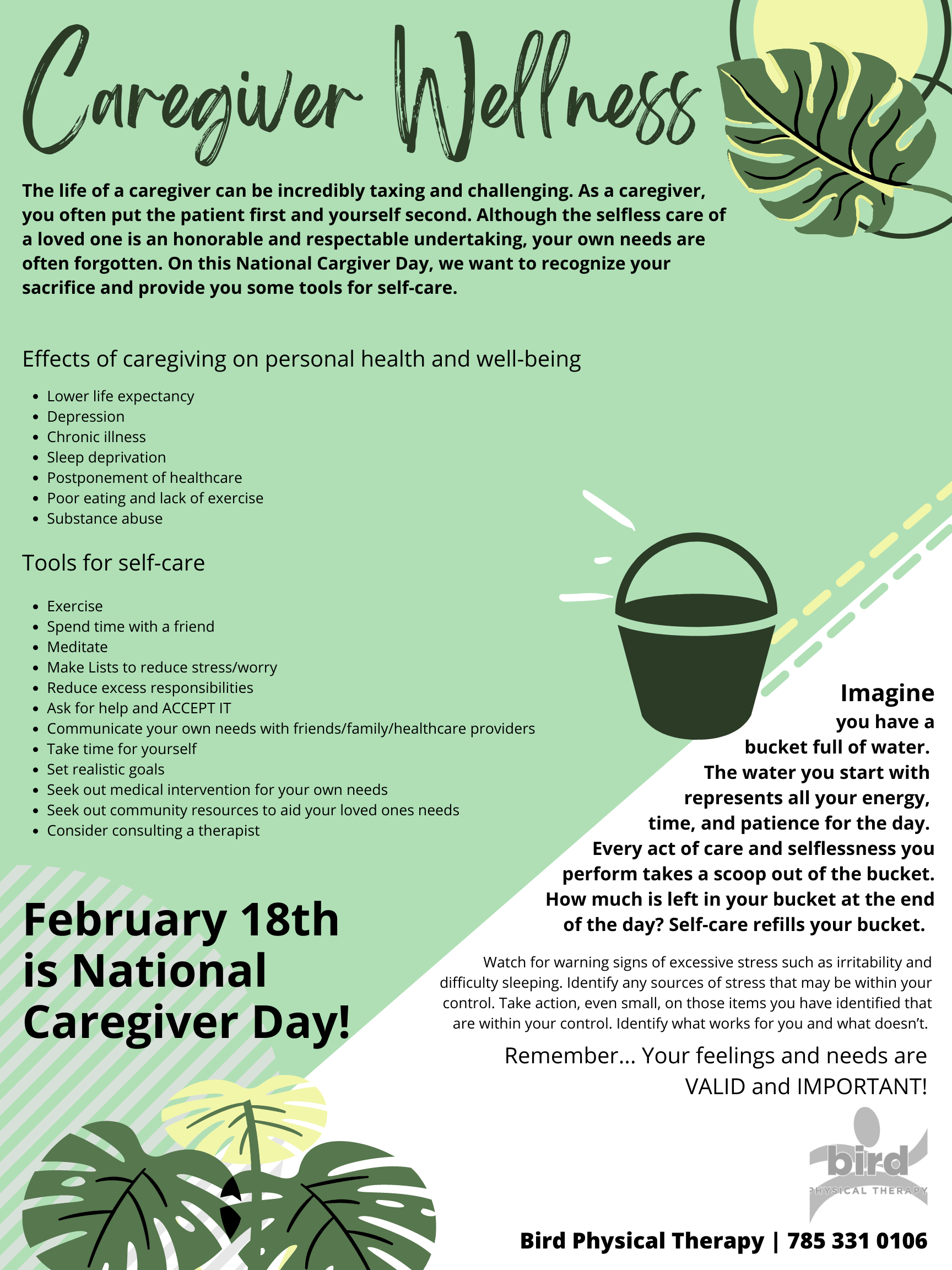
National Caregiver Day

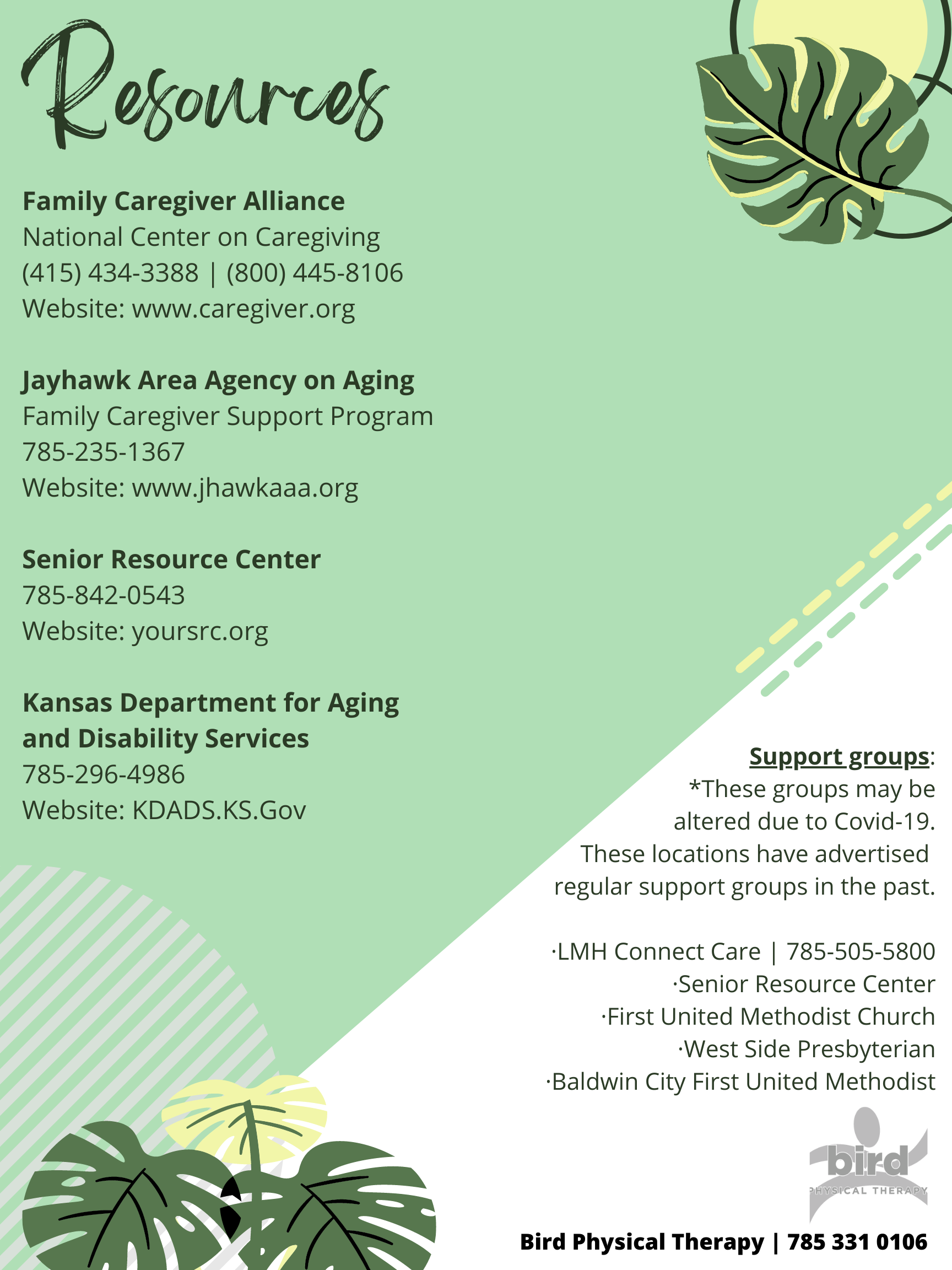
As physical therapists, we see a lot of patients of varying ages and ability levels every day. In this capacity, we also interact frequently with the caregivers. It is abundantly clear that caregivers sacrifice time, love, and resources to ensure the wellbeing of their loved ones. This month we honor that selflessness. See the blog below for information on how to support your well-being as a caregiver and “fill your own bucket first”.

Stay safe and healthy,

Bird PT

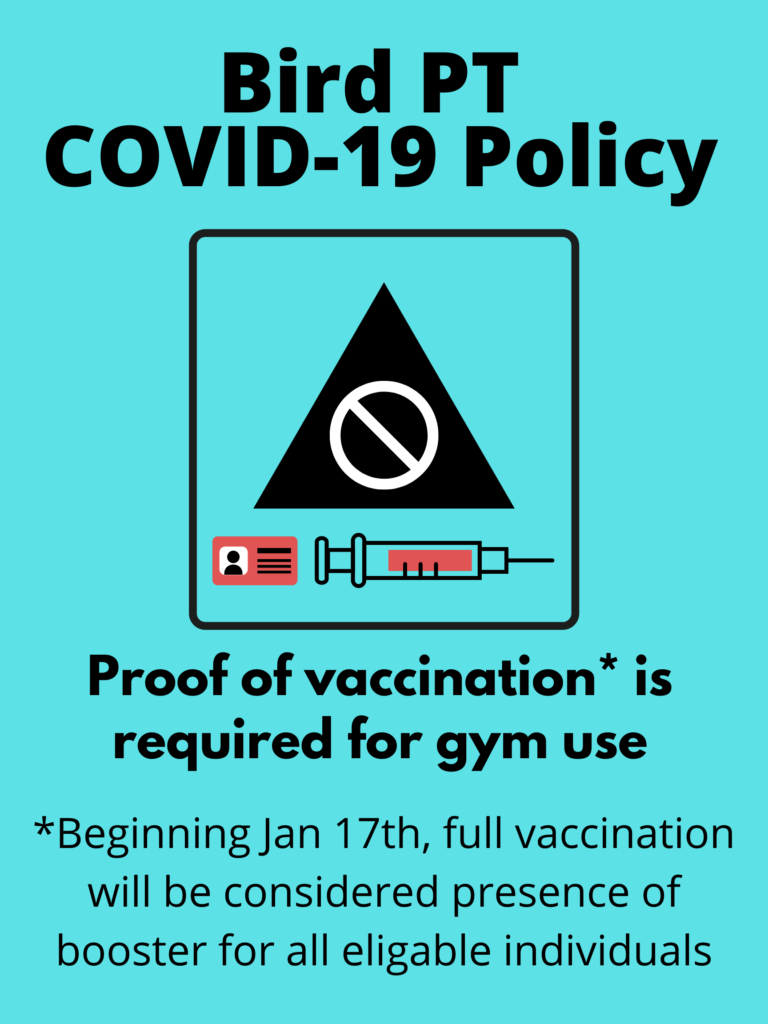
Vaccine Policy

Beginning Jan 17th, we will be expanding our vaccine requirement for gym use to include presence of the booster for all eligible individuals. Those who are not vaccinated will still be welcome but will be treated in a private room only. Masks will continue to be required at all times unless actively drinking. We appreciate your understanding as we continue to navigate the pandemic.

Stay safe and healthy,

Bird PT